


A turning point in the South Caucasus and its echoes today
In the August of 2008, a five-day war erupted between Georgia and Russia over the breakaway regions of South Ossetia and Abkhazia—two territories internationally recognized as part of Georgia but effectively controlled by pro-Russian authorities. It was the first war in Europe of the 21st century and a brutal prelude to Russia’s later invasions in Ukraine. Beyond its short battlefield timeline, the war marked a major geopolitical shift in the South Caucasus.
Why the war happened and how It unfolded
The roots of the 2008 war trace back to Georgia’s growing push toward Euro-Atlantic integration, particularly NATO membership—a red line for Moscow. Tensions flared into violence when Georgian forces moved to retake control of South Ossetia, prompting a swift and overwhelming response from Russia. Within days, Russian troops had advanced deep into Georgian territory.
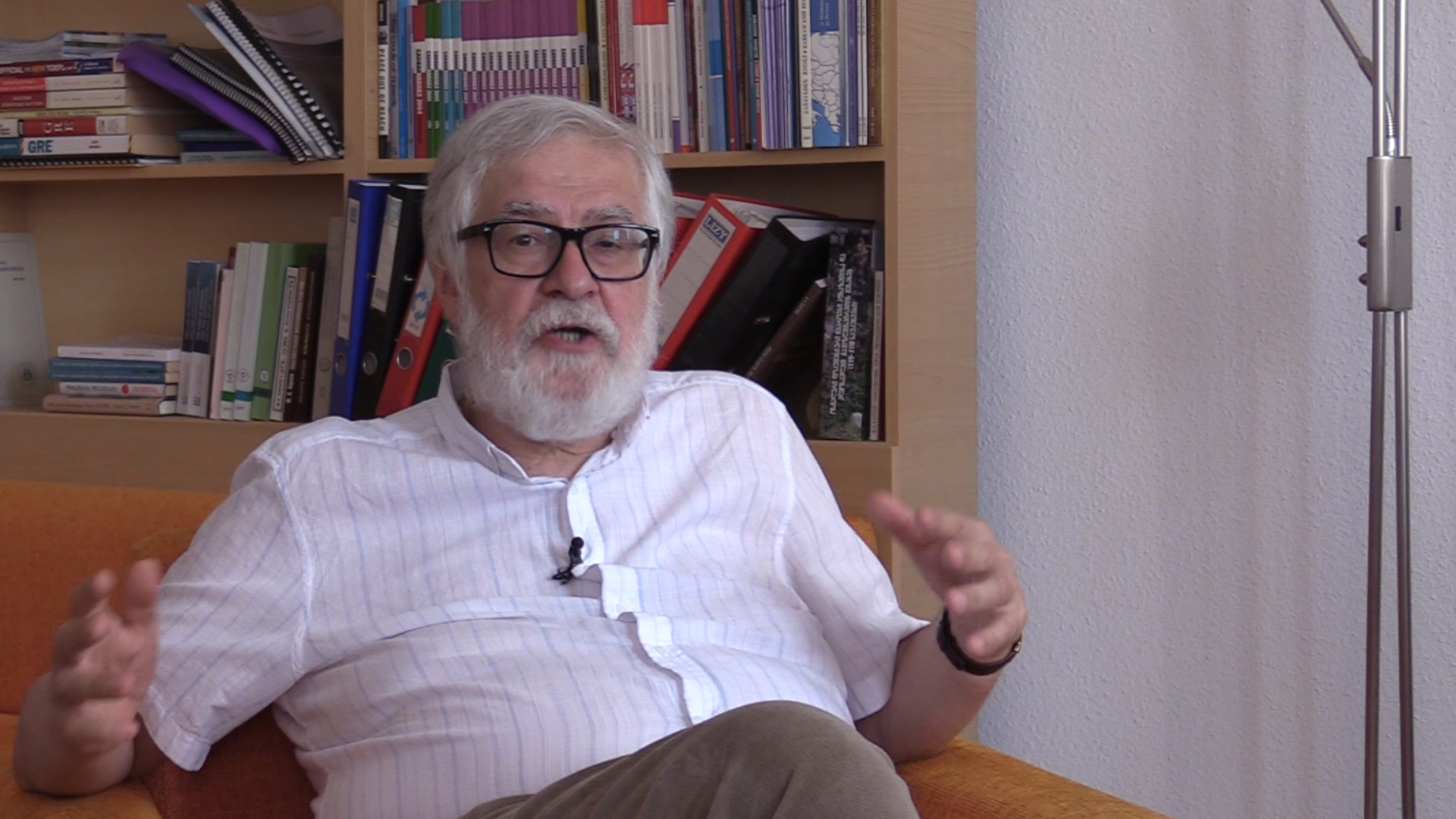
“In military sense, it was a Russian victory,” says Ghia Nodia, one of Georgia’s leading political analysts, an academic and former Minister of Education. “But it was not a Russian victory in political sense. Russia hoped to change the regime in Georgia—and it failed to do that.”
Nodia believes Georgia overestimated the strength of its Western alliances. “We delegated the U.S. the task of convincing Europeans to support Georgia’s NATO bid. But in reality, we had a split within NATO, and Russia took advantage of it. That was 2008 war.”
The war’s aftermath: A shift in regional balance
Although Russia did not succeed in regime change in 2008, it achieved its strategic objectives four years later. “Russia achieved what it wanted after the change of power in 2012,” Nodia notes, referencing the rise of Bidzina Ivanishvili’s Georgian Dream coalition, which introduced a more cautious approach to the West and a friendlier stance toward Moscow.
This political shift in Georgia, according to Nodia, has had repercussions far beyond its borders. “Our government put its cards on victory of Russia in the war with Ukraine. It based its policy on the assumption that West is weakening and Russia is strengthening, but apparently it is a miscalculation. So in Georgia, we have a very politically unstable situation.”
This instability, Nodia argues, has regional consequences. “Georgian government is Russia’s only foothold in the South Caucasus. This of course will hamper Armenia’s progress of integration with the West.”

Armenia, Azerbaijan, and the long shadow of 2008
While Georgia’s alignment has fluctuated, its neighbors have taken divergent paths. Armenia’s pro-Western political shift can bring to similar situation in Armenia as in Georgia, but “that doesn’t mean that Armenia cannot develop its relations with the EU,” Nodia says.
Still, Armenia faces its own Russian dilemma. “Russia may try to destabilize Armenia internally—to create some kind of Armenian Ivanishvili,” Nodia warns. “I hope it will not work, but surely Russia will keep trying.”
“Azerbaijan was never interested in integration with the West, but it is interested in having good relations with the USA and Europe,” he explains.
For Azerbaijan, the 2008 war marked a turning point too. “Azerbaijan changed its policy to some extent and moved toward Russia after 2008, but now the situation is changing again.”
Lessons of the war and the battle for democracy
One of the clearest takeaways from the 2008 war, Nodia believes, is that “Russia cannot only use economic pressure or soft power—it mainly relies on hard power, and can openly flaunt international law.”
But perhaps more dangerously, the West’s muted reaction to the war signaled a weakness. “Western players underestimated this episode,” Nodia says. “Part of Georgian society saw it not only as a sign of Russian aggressiveness but also of the weakness of the West.” This, he argues, paved the way for the rise of Ivanishvili and a growing fear of Russia in Georgian politics.
Nodia, also the author of “Nationalism and Democracy,” stresses that democracy depends on civic nationalism and patriotism. “Democracy is not an easy political system to master. There is progress in Armenia, but there is backsliding in Georgia. Azerbaijan was never fully democratic but it is also backsliding compared to the 1990s.”
Yet he remains cautiously optimistic. “The fact that Azerbaijan is not democratic now doesn’t mean it will never become democratic.”
Looking forward: A message to the youth
Despite the setbacks, Nodia calls on the next generation not to give up on European integration and democratic values. “Consistency is very important,” he says. “I’m sure that sooner or later Georgia will return to its natural pro-European path.”
The 2008 war was not just a local conflict, it was a warning unheeded. Its lessons continue to unfold today, especially as Armenia and Azerbaijan reassess their alliances in the aftermath of Russia’s aggression in Ukraine.
For Georgia, the war marked a moment of national unity, as Nodia recalls. “The war led to the unity of the nation and that was the main thing. In the short run, the Georgian people showed resilience.”
But resilience must now be matched with foresight, solidarity, and strategic consistency, Ghia Nodia says, not just in Georgia, but across the South Caucasus.
While Armenia and Azerbaijan political shift forwards Western partners, Georgia is isolated under current government, political analyst Ghia Nodia says.
“Our government put its cards on victory of Russia in the war with Ukraine. It based its policy on the assumption that West is weakening and Russia is strengthening, but apparently it is a miscalculation. So in Georgia we have a very politically unstable situation.”
Policy of the Georgian government somehow models situation in the region. Georgian government is Russians only foot hall in the South Caucasus. This of course will hamper Armenia’s progress of integration with the West. Azerbaijan has different policy, it was never interested in integration with the West but it interested in having good relations with the USA and Europe. But it doesn’t mean that Armenia cannot develop its relations with EU.
Russian main way to take revenge may be try to unstabilise Armenia internally, to create some kind of Armenian Ivanishvili. I hope it will not work but surely Russia will keep trying.
In Georgian side maybe we overestimated importance of US support for NATO membership, Georgian government delegated the US this task of convincing Europeans in the support of Georgia to join NATO, so in reality we have a split within NATO on the issue of Georgian membership and Russia took advantage of it. That was 2008 war. As to Russian side the war was not big success for Russia, because it hoped to change regime in Georgia, and it failed to change it. In military sense it was Russian victory, but it was not Russian victory in political sense. But Russia achieved what it wanted after the change of power in 2012.
It doesn’t mean that the same things should happen in Armenia. Future is unpredictable. Countries study from each other’s mistakes. When Ivanishvili was coming to power he didn’t say that he would abandon Western way, he said that would harmonize relations between Russia and the West, in 2012 it appeared possible, but situation is changed. Armenian people also know it so it doesn’t mean that it should repeat what Georgians did.
The war led the unity of the nation and that was the main thing which I say from the war that in the short run Georgian people show resilience.
The war showed that Russia cannot only use economic pressure or soft power, it was mainly relying on hard power, it could openly flaunt international law, but Western players underestimated this episode, so they didn’t draw right conclusions of this episode. Part of Georgian society saw it not anly the sighn of Russian aggressiveness but also the weakness of the West, and I think this in part pave the way to Ivanishvili’s advanced to politics created fair of Russia. And Ivanishvili played this pier of Russia very well.
And also Azerbaijan changed its policy to some extend moved to a Russia after 2008, but now situation is changing again.
His advise to young generation who is figting for eurointagration is not to give up. Consistancy is wery important and I’m sure that sooner or later Georgia will retirne its natural proeuropean pass.
About his article “Nationalism and democracy”. You cannot have democrasy without civic nationalism or patriotism.
Democrasy is not easy political system to master. There is some progress in Armenia, but there is backslide in Georgia, Azerbaijan was never fully democratic but it is also backsliding comparing to 1990 so that is unfortunate trand. But the fact that Azerbaijan is not democratic now doesn’t mean that it will never become democratic.